

Revolutionising Logistics: Driverless Vans and Their Impact
How are Driverless Vans Transforming the World of Logistics
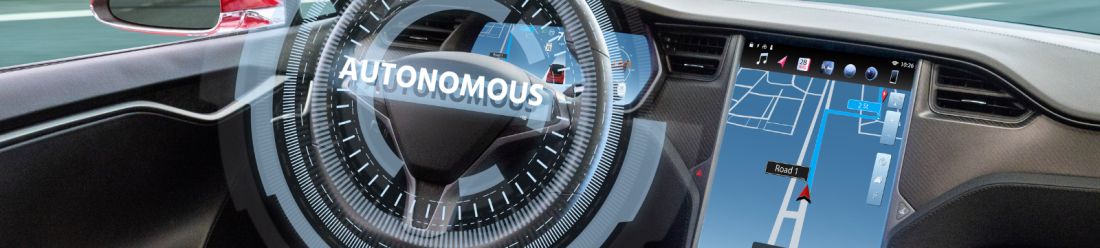
The logistics industry is undergoing a transformative shift with the introduction of driverless vans. These futuristic vehicles are super smart, using fancy tech and AI to drive themselves and deliver goods without needing a human behind the wheel.
In this blog, we will explore what driverless vans are, discuss their benefits and their drawbacks, examine potential use cases, and analyse their impact on businesses within the logistics sector.
What are Driverless Vans?
Driverless vans, also known as autonomous delivery vehicles, are vehicles equipped with sensors, cameras, and sophisticated navigation systems that enable them to operate without a human driver. These vehicles use a combination of technologies such as machine learning, computer vision, and GPS to detect and analyse their surroundings, make decisions, and navigate safely on the roads.
3 Benefits of Driverless Vans:
1. Increased Efficiency:
Picture this: driverless vans swooping in to save the day and make logistics a breeze! These high-tech wonders have some serious potential. They can cut down on human errors, find the fastest routes, and nail those delivery schedules. Talk about a logistics dream come true! With their ability to operate around the clock, these vehicles can enhance productivity and shorten delivery times.
2. Cost Reduction:
Eliminating the need for human drivers can significantly reduce labour costs for businesses. Driverless vans can work around the clock without demanding rest periods or wages, that means businesses can save some serious cash on operational expenses. It's like having a hardworking team member who never gets tired or asks for a paycheck!
3. Enhanced Safety:
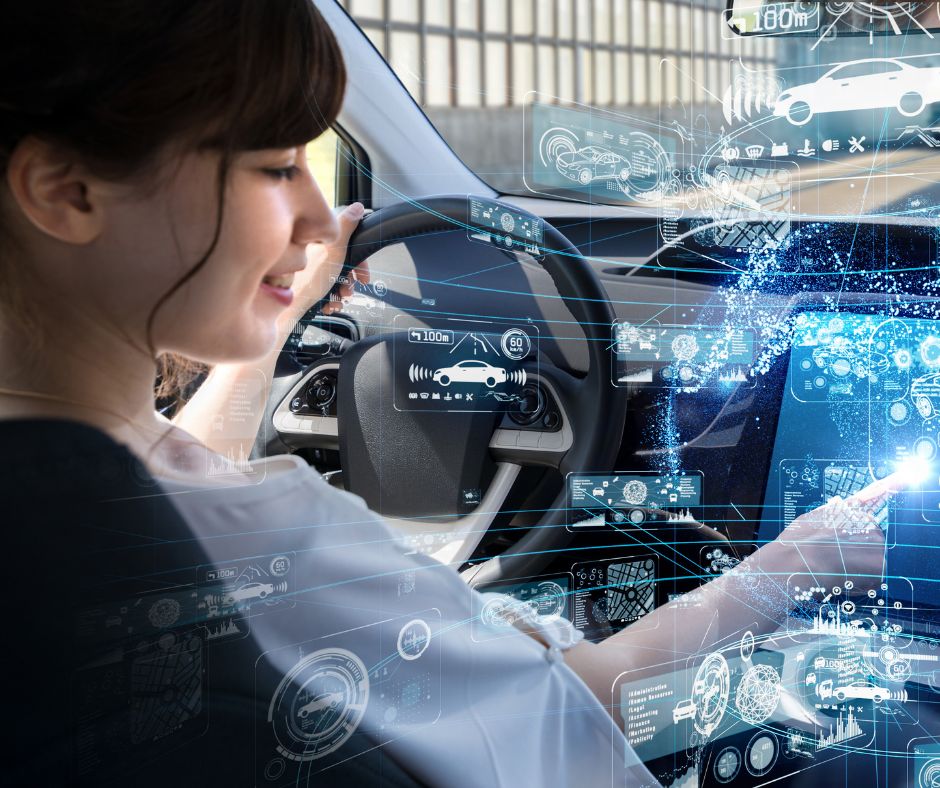
Advanced sensors and AI systems equipped in driverless vans can potentially reduce the number of accidents caused by human error. These vehicles can analyse traffic conditions, detect obstacles, and make split-second decisions, thereby enhancing road safety.
Drawbacks of Driverless Vans:
Technological Limitations:
Let's not forget that although autonomous vehicles have come a long way, they still have a few hurdles to overcome. They're superstars, but they're not perfect. Tricky stuff like dealing with unexpected situations, crazy weather, and busy city streets can still throw them for a loop. So, while they're impressive, there are still some challenges to tackle along the way.
Legal and Regulatory Framework:
It's not just about the technology; we need some solid rules in place too. We're talking legal stuff, regulations, and making sure everyone is accountable and safe. Building that trust with the public is a big deal if we want these futuristic rides to become the norm.
Potential Use Cases for Driverless Vans:
Last-Mile Delivery:
Driverless vans can revolutionise last-mile delivery, particularly in urban areas. They can navigate through traffic, deliver goods to customers' doorsteps, and optimise routes, reducing delivery costs and enhancing efficiency.
2. Freight Transportation:
Autonomous vans can be used for transporting goods between distribution centres and warehouses. Their ability to operate 24/7 without driver fatigue can improve supply chain efficiency and reduce delivery times.
3 Way Driverless Vans Could Impact Businesses:
1. Operational Efficiency:
Driverless vans could revolutionise the logistics industry by enabling businesses to streamline operations, reduce costs, and increase overall efficiency. With optimised routes and continuous operations, businesses can enhance their competitiveness and meet customer expectations more effectively.
2. Workforce Transformation:
The introduction of driverless vans may lead to a shift in workforce requirements within the logistics industry. While some roles may be displaced, new opportunities for maintenance, remote monitoring, and fleet management may emerge. It's all about adapting and finding fresh opportunities in this exciting new era of logistics.
3. Customer Experience:
The use of autonomous vehicles in logistics could enhance the customer experience by providing real-time tracking, accurate delivery estimates and increased reliability. Faster and more efficient deliveries can lead to higher customer satisfaction levels.
To Summarise
Driverless vans have the potential to revolutionise the logistics industry by increasing efficiency, reducing costs, and enhancing safety. While there are challenges to overcome, the benefits they offer are substantial.
As technology continues to advance and regulatory frameworks evolve, driverless vans are likely to find applications in last-mile delivery and freight transportation. Businesses that embrace this technology have the opportunity to gain a competitive edge, improve their operations, and provide an enhanced customer experience in the evolving world of logistics. It's a whole new world, and those who embrace it will be the true logistics trailblazers!
Read More: Transform Your Van WIth Professional Accessory Fitting